
World Communion Sunday
- Sermon By: The Rev Jeff Lackie
- Categories: Body of Christ, Communion, diversity, Sacrament, Sunday Worship
Scripture is full of evocative images for the church, and none more so than ‘the body of Christ.’
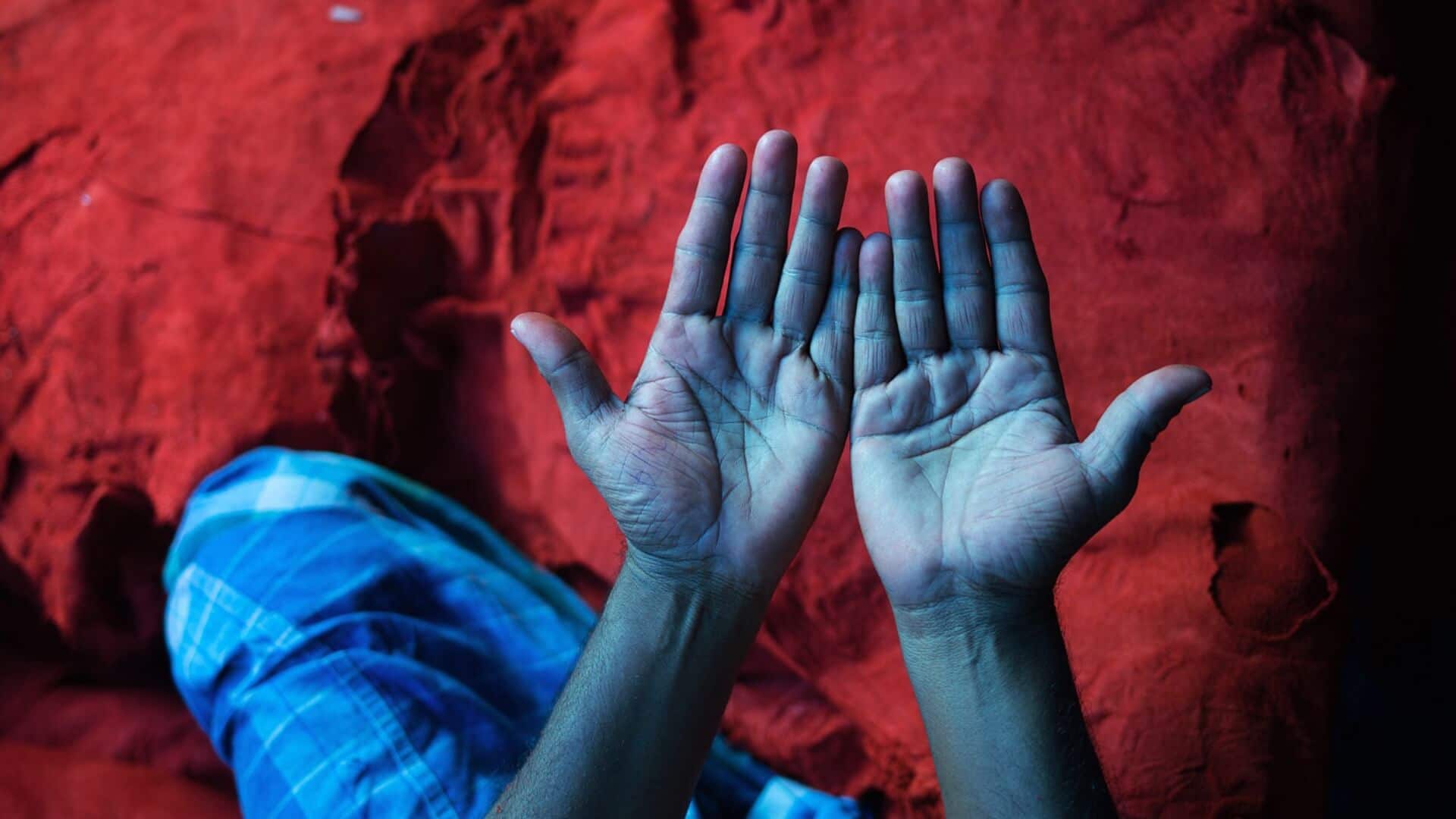
Paul takes full advantage of this image in his letter to the Corinthians – and why not? We each have a body – we are intimately familiar with the connections that are required for our bodies to work well. Most of us have good ideas of the limits (and strengths) of our bodies. Sometimes, those limits are discouraging. And our strengths can sometimes make fools of us. We give too much thought to ability, appearance, aptitude or other measurable signs of success or dominance.
Now, to be fair – there are problems with this metaphor. Not every human body works well. Some are born with challenges. Others develop problems that are difficult to deal with. These can throw a wrench into the whole ‘God-doesn’t-make-mistakes’ mindset. But Paul is talking about the church – and about the limitless potential of this challenging and beloved institution.
There is nothing like a good metaphor to focus the conversation, and Paul needs his friends in Corinth to focus. He is trying to lead from a distance – and they are losing their way. The best Paul can offer them – besides a promise to visit as soon as he is able – is this brilliant lesson in being present. He points out that they already know how to navigate life. And within our bodies an arrangement of differences conspires to get us successfully through the day.
To a community that was at odds with itself – struggling to make sense of a new way of worshipping – Paul offers a reminder. The human body works well in spite of its many differences…in fact, we sometimes manage to turn these differences into advantages.
The letter that we know as first Corinthians was an attempt to encourage a community trying to follow Jesus. There were temptations all around, and it seems that everyone wanted to contribute…but there was – if you can imagine – some conflict regarding how and why.
It’s a bit like many coffee shop conversations that might overhear; conversations about …well, pick a topic! – where everyone is sure that they have found the answer. Some are good natured – others get rather heated – but most of the time the loudest voice wins the day (whether it’s good information or not) That is the dilemma that Paul is addressing. There are too many cooks in the kitchen, if you will; everyone striving for supremacy – everyone wants to solve the problems of this emerging faith community. And Paul invites them to put their diverse energy to more constructive use.
Let the feet be feet. Eyes and ears can serve well – if you let them do the things they are best at. The gifts in the community may not all be perfect, but they each have a particular purpose – and collectively, the community is stronger because of these strangely different gifts.
Just as our bodies – different and imperfect – will serve the purposes to which we dare to put them, so to the church – wildly diverse, weirdly one-yet-many, [and a long way from perfect – stands ready in the world to take chances in Jesus’ name and for God’s glory.
But it takes all of us. The church needs a vast collection of dreamers and doers – carers and challengers – the wise and the willing – to be the ‘body of Christ.’ A school-room full of scholars is not enough. Neither is a busload of builders or a swarm of evangelists. Paul offers his own list (eventually) in the chapter, and argues that the gifts are spread among us by both design and necessity. And the church is constantly challenged to recognize, encourage and engage this wide variety of gifts.
On a day we describe as ‘World Communion Sunday,’ this challenge is cast wider. We are called to remember that Jesus’ call has been answered by people of every known culture. The church has been shaped by the wide reception of Jesus’ message. Our music, our liturgy, and even the way we understand scripture is different now because of the wide appeal of the gospel.
There may be fear that the heart of the message will be lost in the vast seas of global culture in which we now sail. And then we are called to the table together.
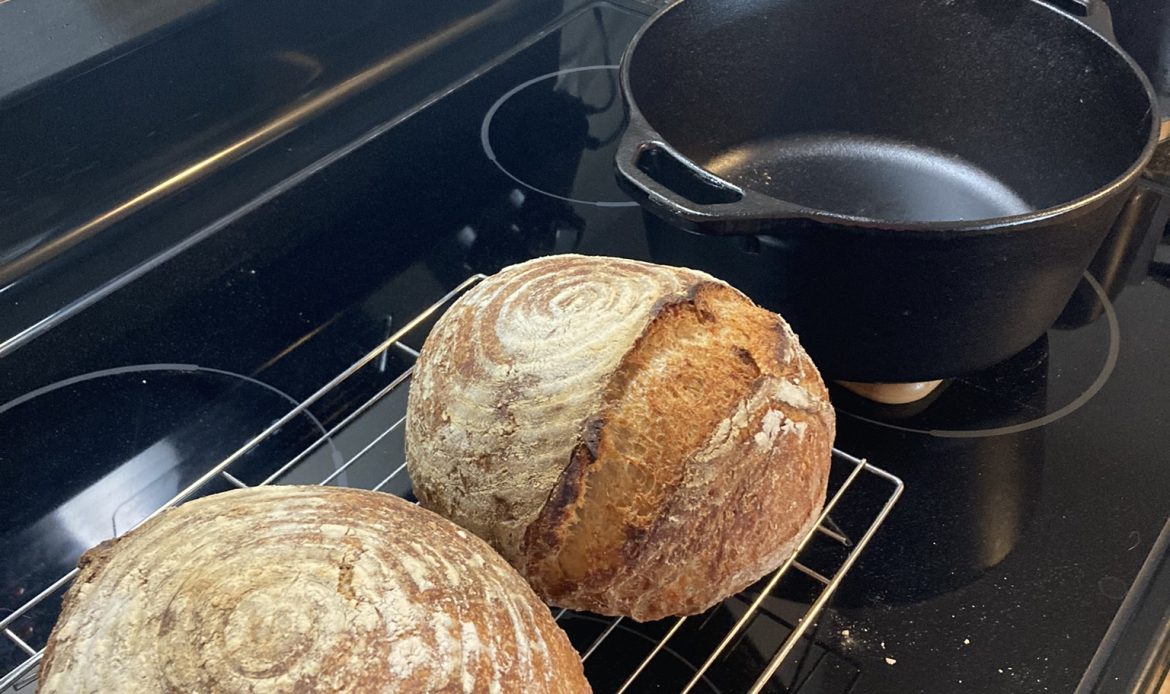
We break bread, and we tell the story of one who offered a new look at age old problems. We remember Jesus’ call to love our enemies and to join hands with the oppressed. In this sacrament the life, death and resurrection of Jesus are front and centre – a reminder of the beating heart of this wildly divers body that we call ‘the Church’ – where each can find a place; where all have a part to play.